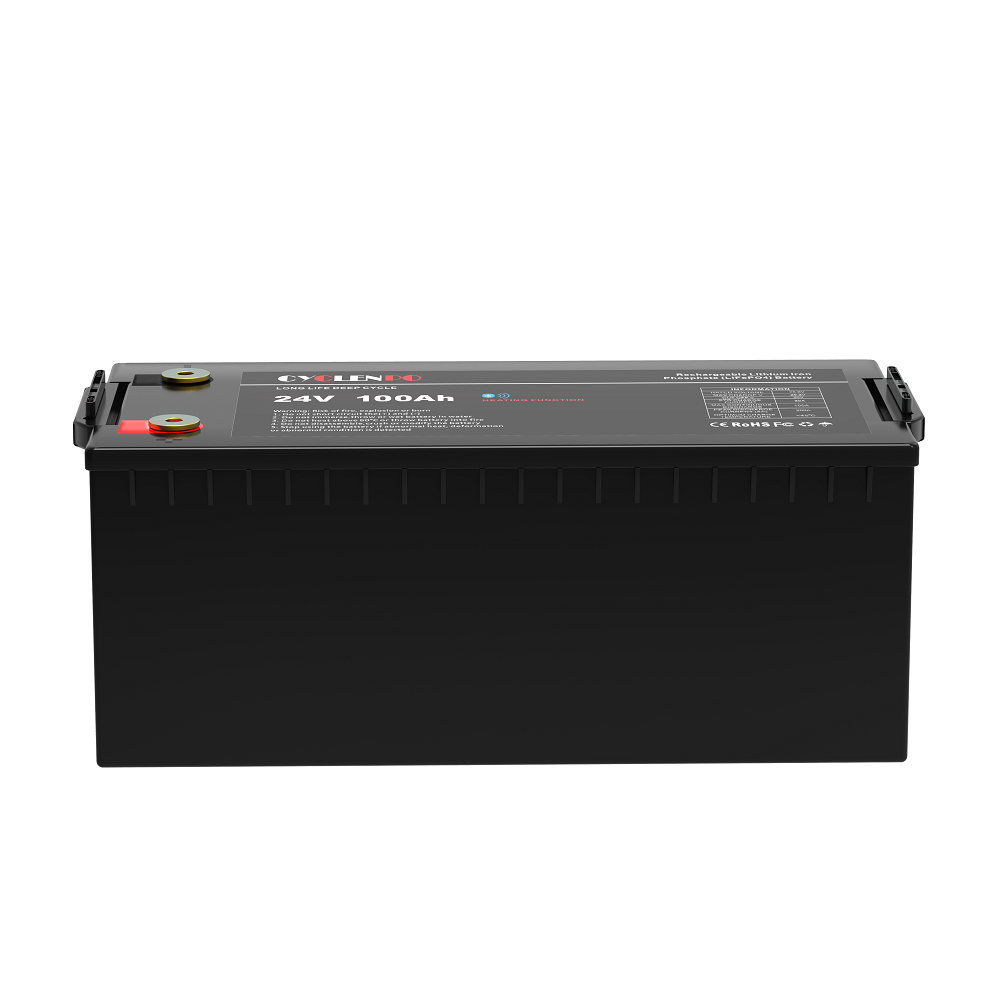
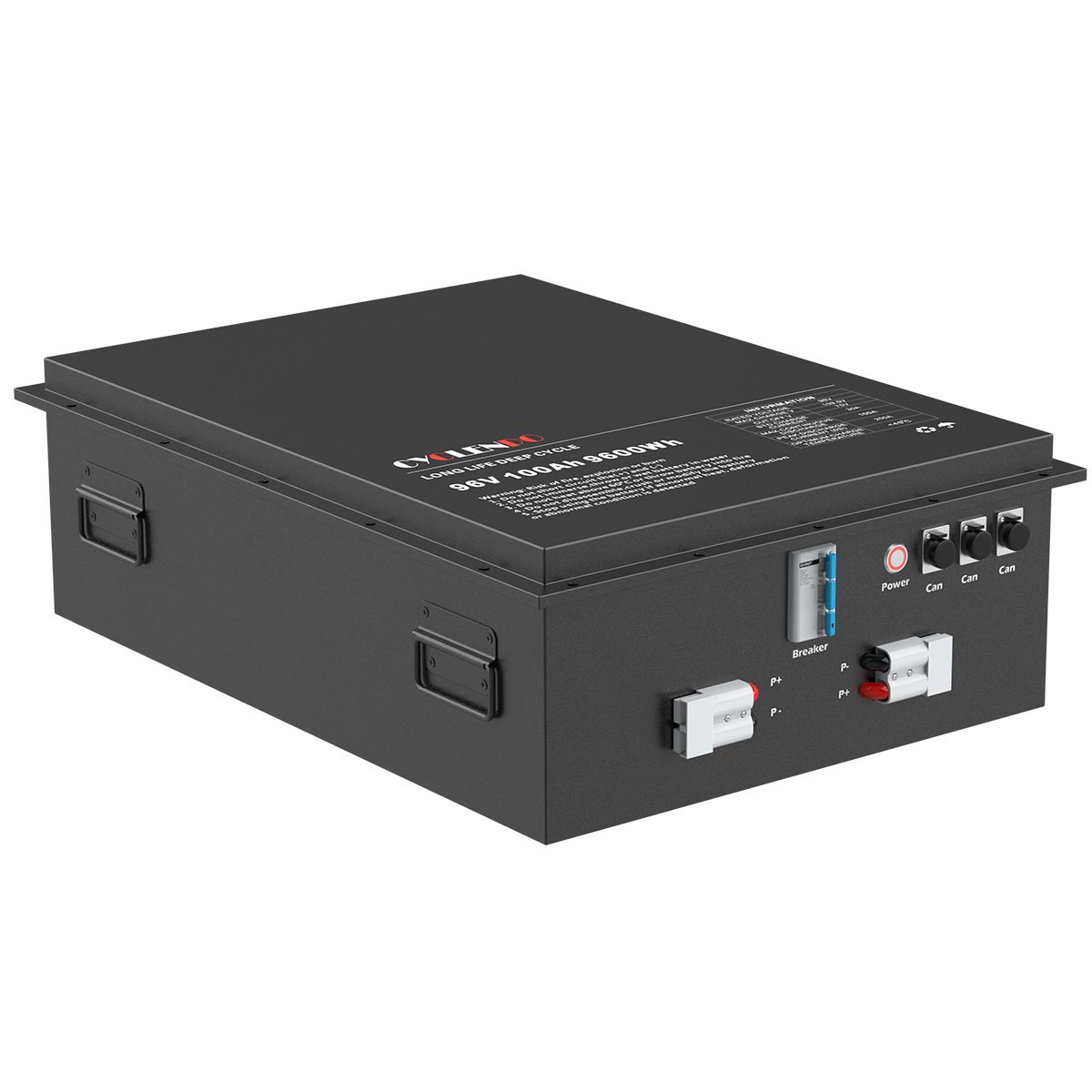
For decades, lead-acid batteries have been widely used in electric vehicles, backup power systems, telecom base stations, and industrial equipment. Their low cost and mature technology made them a practical choice for many applications.
However, as usage intensity increases, the drawbacks of lead-acid batteries have become harder to ignore. Users frequently report heavy weight, reduced capacity over time, frequent maintenance, and short service life. In many real-world scenarios, these issues directly affect operational efficiency.
Against this backdrop, the lead-acid to lithium battery application has gradually gained attention across multiple industries.
Unlike a full system replacement, lead-acid to lithium battery application focuses on upgrading the energy storage component while keeping the original equipment structure intact.
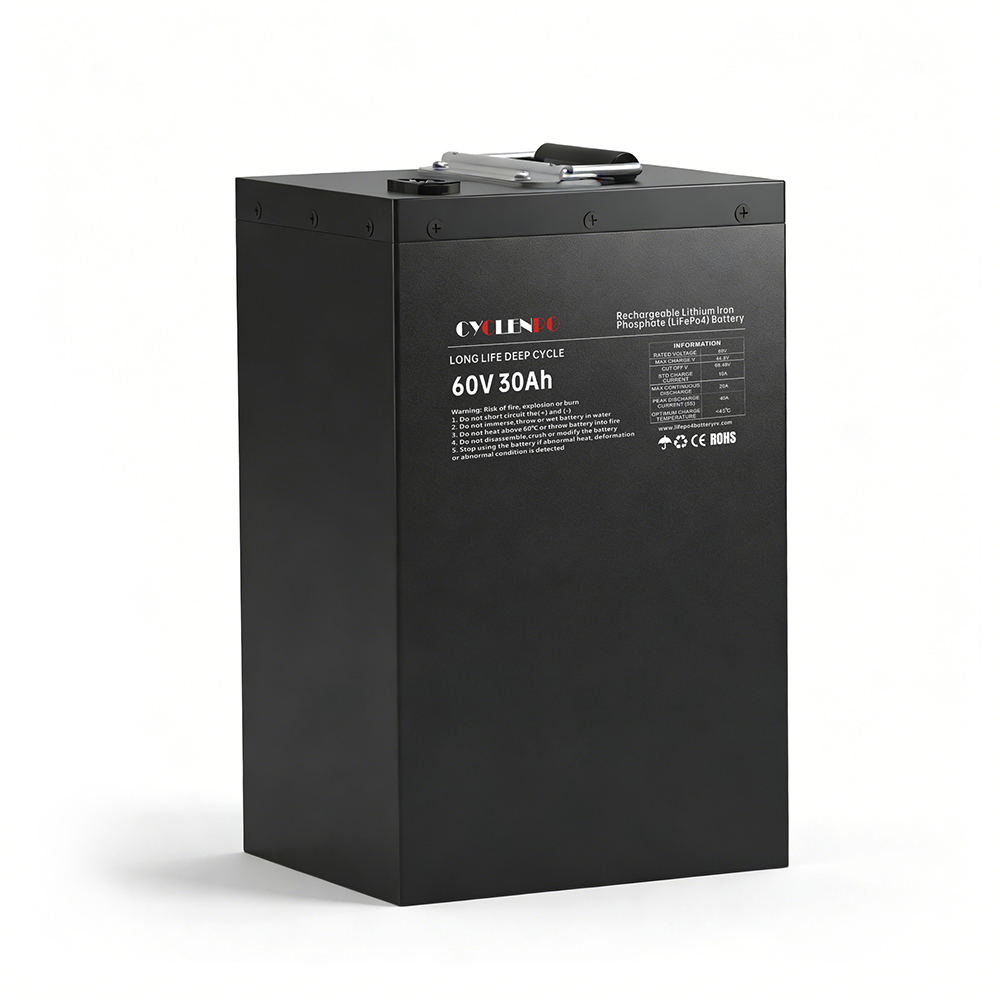
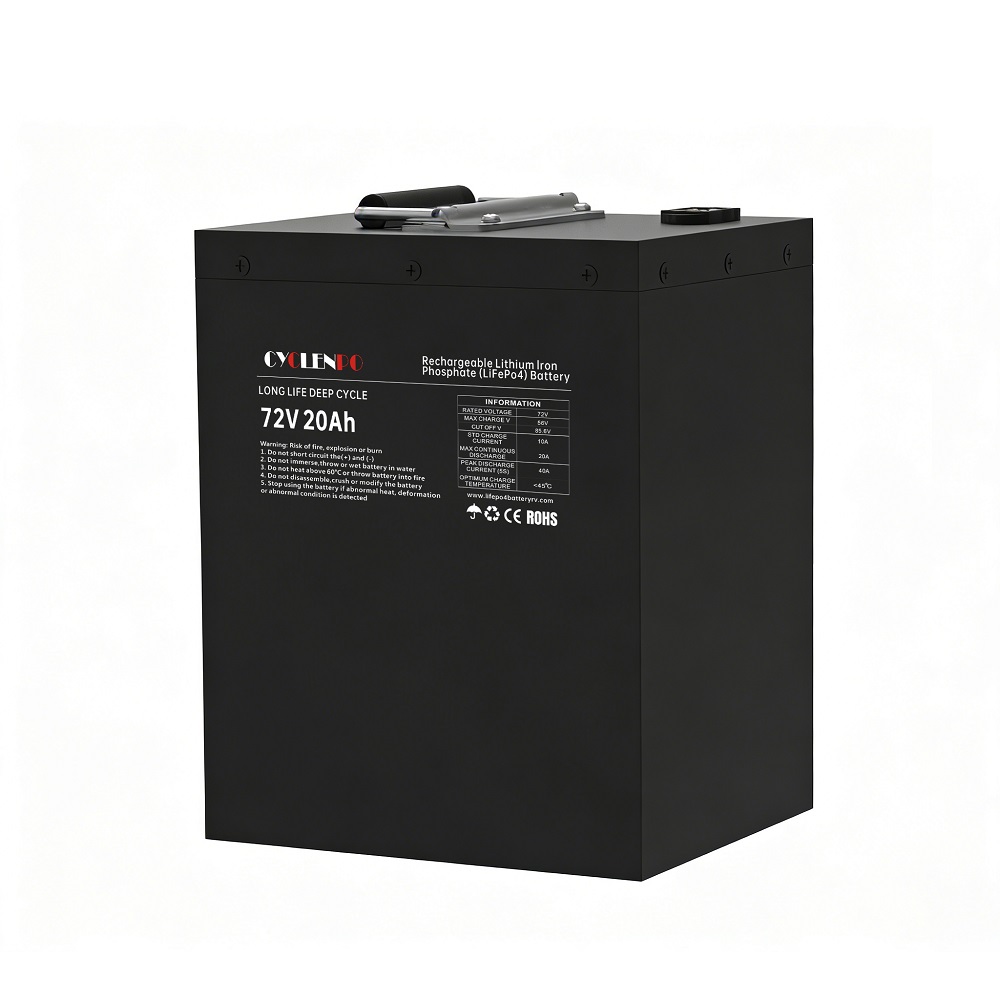
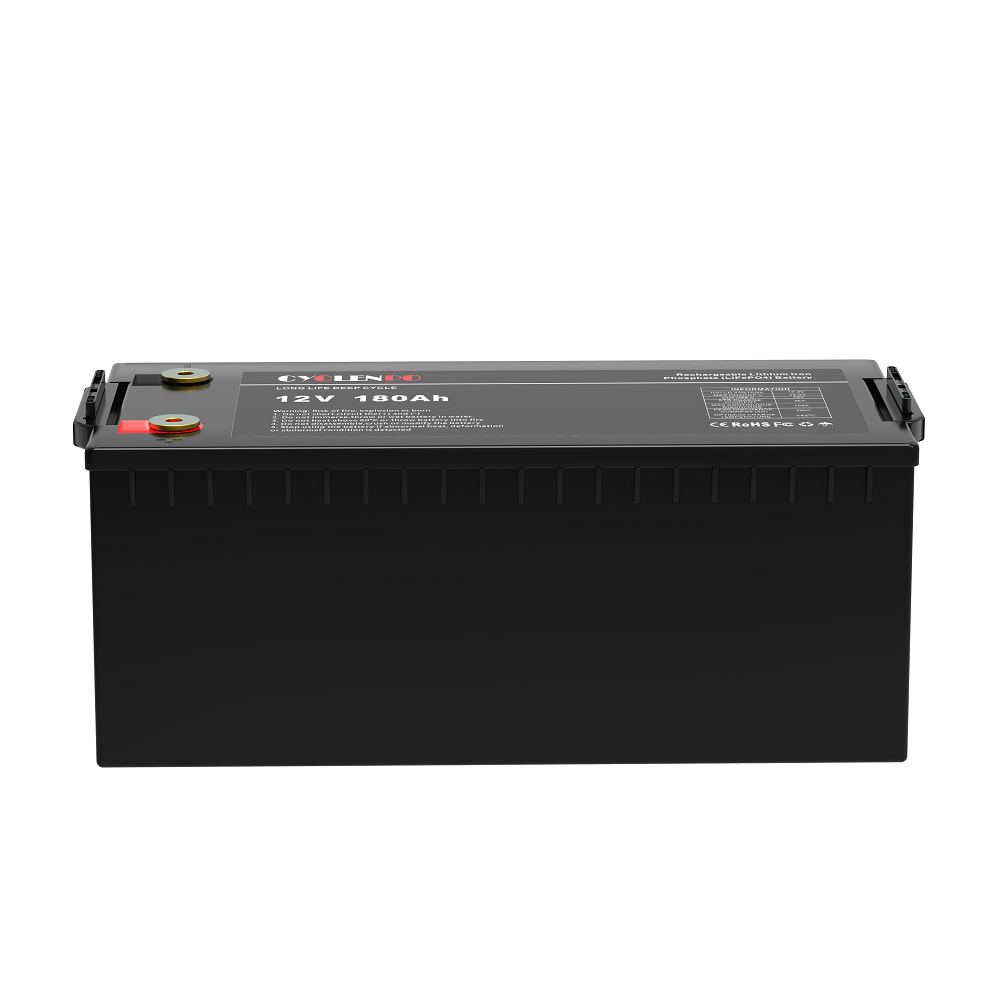
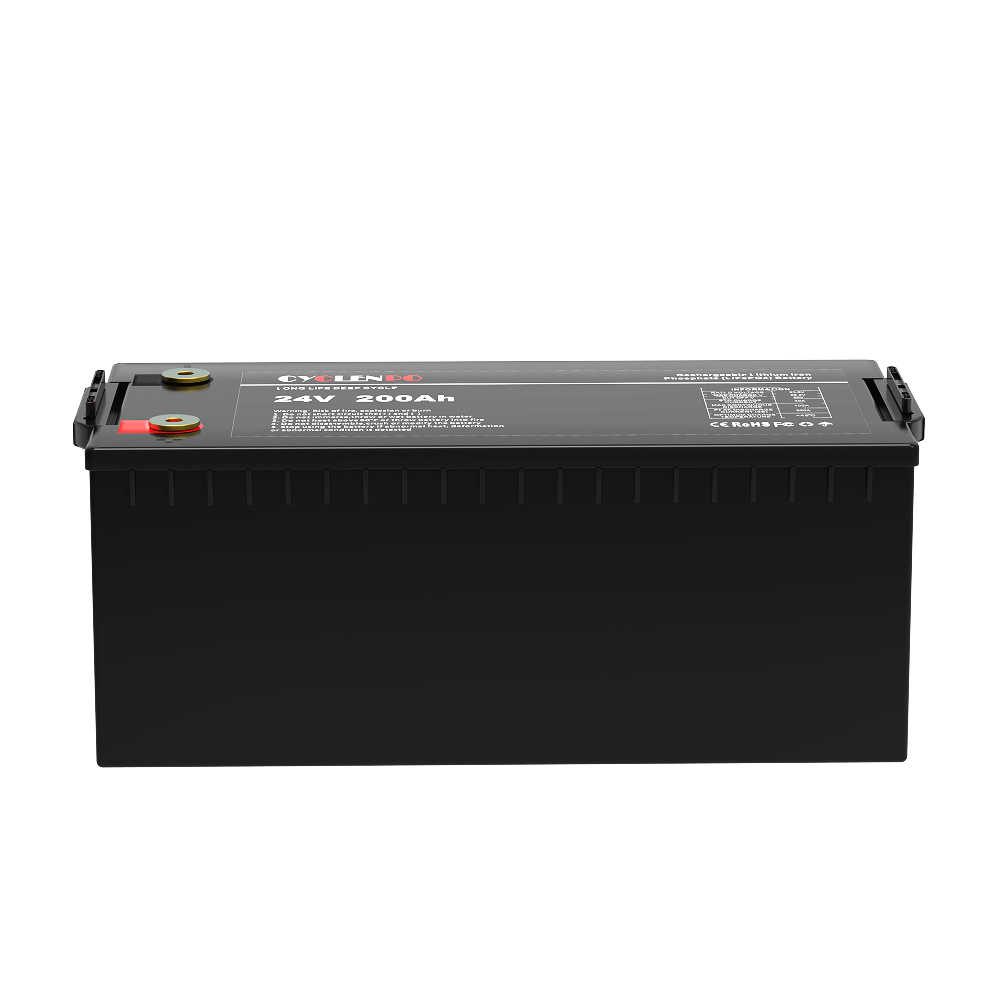
In simple terms, lithium batteries replace lead-acid batteries within existing systems, supported by compatible battery management systems and charging solutions. This approach allows users to extend the life of their equipment while significantly improving performance.
Because of this balance between cost control and performance improvement, lead-acid to lithium battery application is increasingly viewed as a practical and sustainable upgrade path.
Longer operating time
Lithium batteries offer higher energy density than lead-acid batteries. After conversion, systems can operate longer on a single charge, reducing downtime and charging frequency.
Reduced weight and better system efficiency
Lead-acid batteries are heavy, especially in mobile or semi-mobile equipment. Lithium replacements dramatically reduce total system weight, improving mobility and mechanical efficiency.
Extended service life
Lead-acid batteries often require replacement after a few hundred cycles. Lithium batteries, when properly managed, can last several times longer. Over time, this difference has a direct impact on operating costs.
Electric bicycles, three-wheelers, patrol vehicles, and utility carts are among the earliest adopters. Instead of replacing the entire vehicle, users upgrade the battery system to improve range and handling.
Telecom infrastructure demands stable and reliable power. Lead-acid to lithium battery application helps reduce space usage and maintenance workload. Companies with system integration experience, such as CYCLENPO, have been involved in practical deployments in this area.
In logistics centers and automated factories, equipment often operates for long hours. Lithium upgrades support higher charge-discharge efficiency and more consistent power output.
Uninterruptible power supply systems benefit from lithium batteries’ stable discharge performance and longer lifespan, making lead-acid to lithium battery application increasingly attractive.
Despite its advantages, lead-acid to lithium battery application requires careful technical planning. It is not simply a matter of replacing one battery with another.
Key considerations include:
Voltage and capacity compatibility
Battery management system (BMS) integration
Charger replacement or modification
Thermal management and installation constraints
For this reason, many users prefer working with solution providers that understand lithium system design rather than attempting ad-hoc modifications.
At first glance, lithium batteries appear more expensive than lead-acid batteries. However, a long-term view often tells a different story.
Lithium batteries require less maintenance, fewer replacements, and offer higher energy efficiency. When total ownership cost is calculated over several years, lead-acid to lithium battery application frequently proves more economical.
This cost advantage becomes especially evident in commercial and industrial use cases where downtime and maintenance labor are critical factors.
As lithium technology continues to mature and sustainability becomes a stronger priority, lead-acid to lithium battery application is shifting from an optional upgrade to a mainstream strategy.
Rather than replacing entire systems, many organizations now prefer upgrading existing infrastructure. In this transition, solution-oriented companies like CYCLENPO play a supporting role by providing compatible lithium battery systems tailored to real operating conditions.
Overall, lead-acid to lithium battery application is not a passing trend. It reflects a broader move toward efficiency, reliability, and long-term value.
For users seeking to improve system performance without excessive reinvestment, upgrading from lead-acid to lithium offers a practical and future-ready solution.