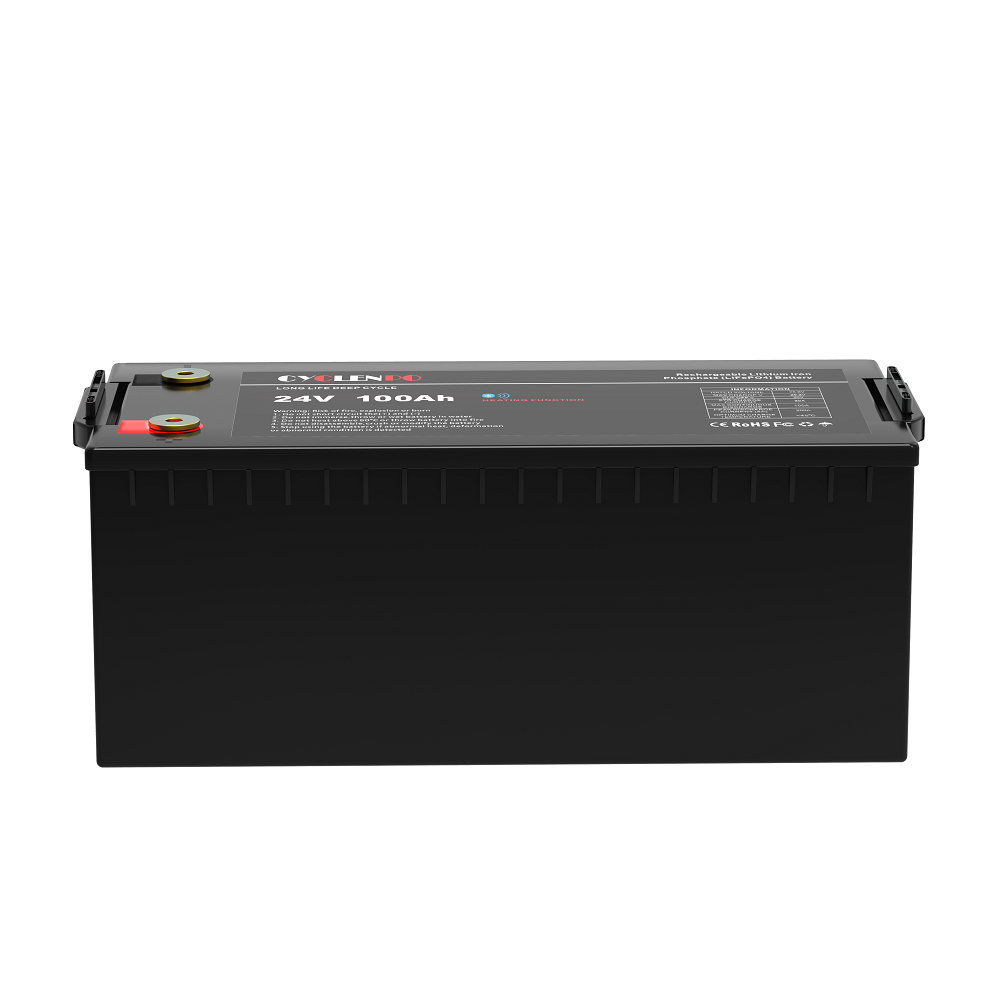
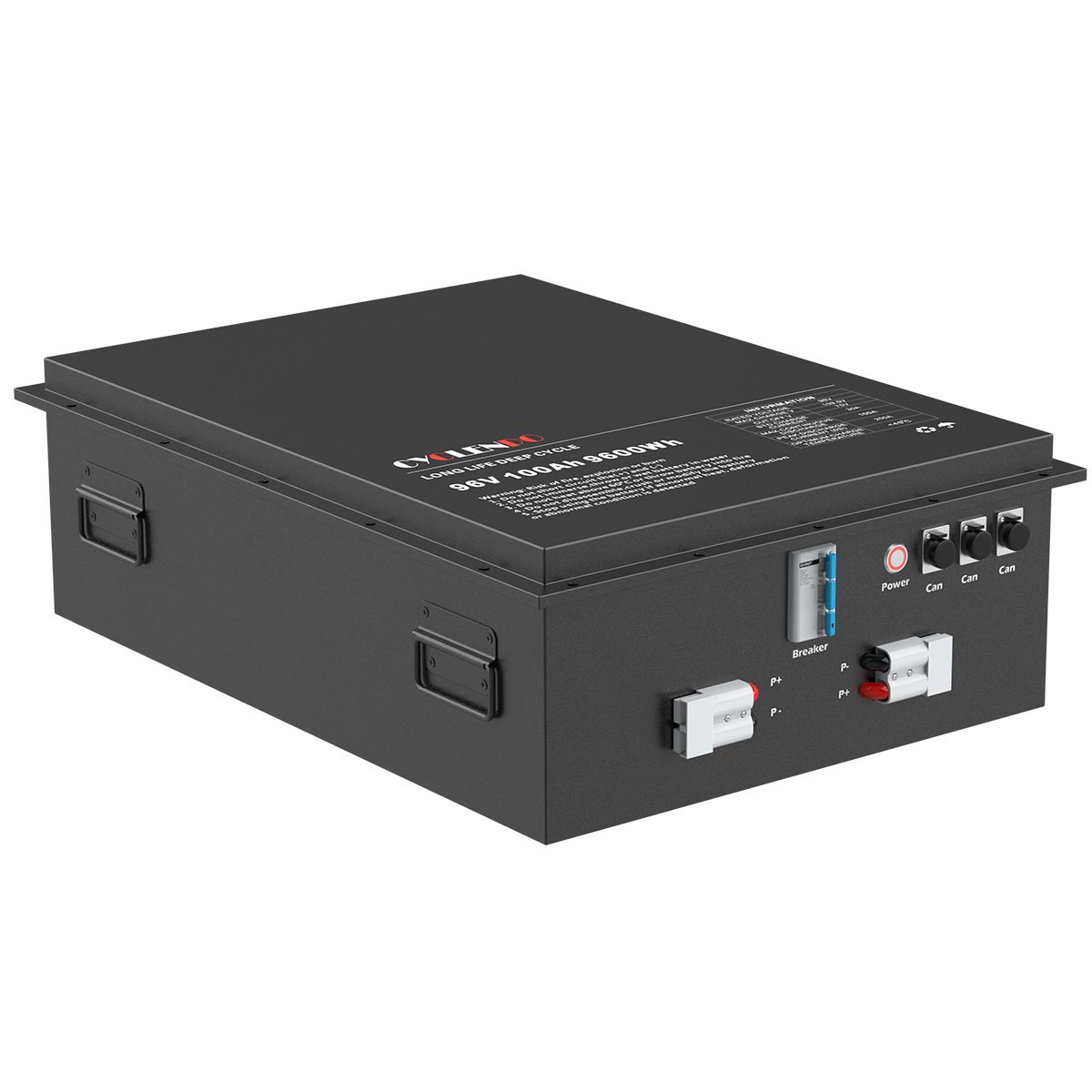
As renewable energy generation continues to grow, energy storage systems are playing an increasingly important role in modern power networks. Grid operators, project developers, and investors are all searching for battery technologies that can deliver long-term stability, predictable performance, and strong safety records. Within this context, lithium iron phosphate battery energy storage has become one of the most widely adopted solutions worldwide.
The preference for lithium iron phosphate batteries is not driven by trends, but by practical engineering and economic considerations.
Energy storage projects are fundamentally designed for long service life. Unlike electric vehicles, where performance and energy density are often prioritized, stationary energy storage systems must operate safely and consistently for many years. Lithium iron phosphate battery energy storage aligns well with this requirement due to its inherent chemical stability.
One of the most critical advantages of lithium iron phosphate batteries is safety. Their stable crystal structure significantly reduces the risk of thermal runaway, even under high temperatures or abnormal operating conditions. For large-scale energy storage installations, this characteristic is especially valuable, as safety incidents can lead to severe operational and financial consequences.
In addition to safety, lithium iron phosphate battery energy storage offers a long cycle life. These batteries can withstand thousands of charge and discharge cycles with relatively low degradation. This allows energy storage systems to maintain reliable performance throughout their operational lifespan, reducing replacement frequency and lowering total cost of ownership.
Cost stability is another key factor. Lithium iron phosphate batteries rely on materials such as iron and phosphate, which are widely available and less exposed to global supply chain volatility. As energy storage projects scale up, predictable material costs become essential for long-term planning and investment confidence.
From a regulatory perspective, lithium iron phosphate battery energy storage has gained widespread acceptance. Many safety standards and project guidelines favor battery technologies with proven operational records. Years of real-world deployment have demonstrated the reliability of lithium iron phosphate batteries across various climates and applications.
Looking forward, the role of energy storage will continue to expand as renewable energy penetration increases. With its strong balance of safety, durability, and economic performance, lithium iron phosphate battery energy storage is well positioned to remain a cornerstone technology in the global energy transition.